The FIFA World Cup 2026™ marks a turning point for the sport. For the first time, 48 teams will compete, bringing more nations, more fans, and more opportunities to engage with the world's biggest sporting event. And as the tournament comes to North America, it arrives at a moment when enthusiasm for football is accelerating across the region, creating a rare convergence for brands: a global stage with enormous commercial potential and an audience that's more invested than ever. At the same time, the fan experience is evolving beyond traditional broadcasts, with watch-alongs, creator commentary, and live streaming reshaping how people connect with the game.
In this new landscape, the brands that authentically understand both global football culture and the next generation of fans will be the ones that define the tournament's lasting impact.
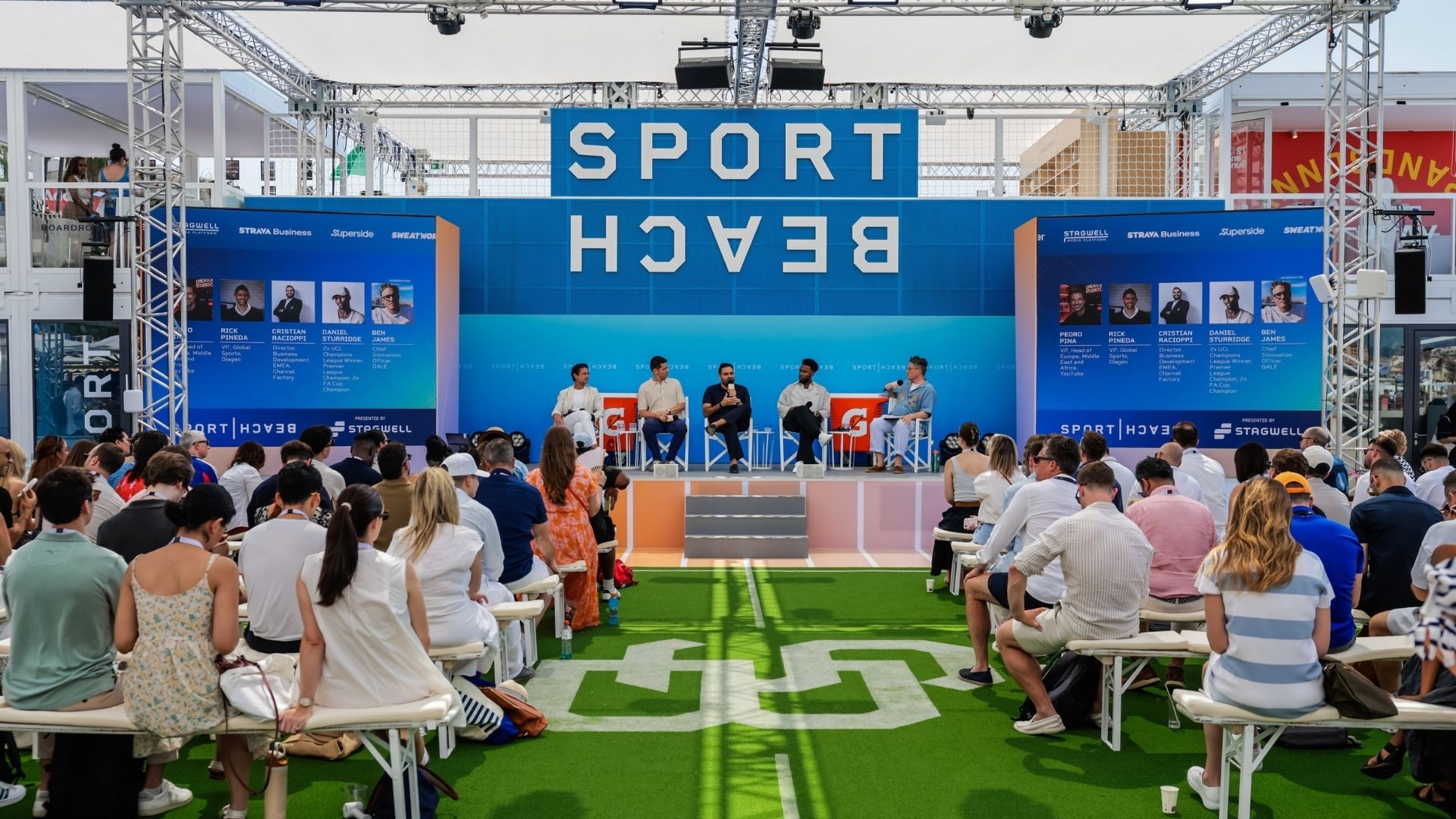
To explore this further, GALE Chief Innovation Officer Ben James brought together global marketing leaders from Diageo, YouTube, and Channel Factory — alongside Liverpool FC legend Daniel Sturridge — at Sport Beach during Cannes Lions 2026 for a panel titled, "First Touch to Final Whistle: Global Brands Meet America's World Cup."
To kick things off, Sturridge emphasized that, in this landscape where fans have more choice than ever, authenticity has become the defining factor separating brands that connect from those that simply show up. As he put it, “You can't beat around the bush or be fake about it. You have to be authentic, meet [fans] at their level and give them something that's authentic, something that they can resonate with.”
For Rick Pineda, VP of Global Sports at Diageo, authenticity begins with understanding a brand’s role in football culture. As an architect of Diageo's partnership with FIFA, he highlighted that brands earn relevance not by inserting themselves into culture, but by enhancing moments that already matter to fans. "The last thing we want to do is interrupt or try to hijack the moment. It's such an organic, beautiful experience when people are coming together, and community is being formed around the sport."
Pedro Pina, VP, Head of YouTube EMEA, explored how authenticity is rooted in understanding how modern fandom actually works. While the match itself remains the centerpiece, fans increasingly engage through a broader ecosystem of YouTube content before, during, and after the final whistle. According to Pina, every year, people consume 40 billion hours of sports content on YouTube, and 65% of YouTube viewers actively seek out content surrounding major tournaments. Those behaviors reveal an important truth: fans don't just watch sports anymore; rather, they participate in them through creators, communities and conversations. Brands that understand this dynamic can show up in ways that feel native to how fans already consume content, creating more authentic and meaningful connections.
Reaching fans, however, is only part of the equation. Reaching them with the right message, at the right moment and in the right environment is what ultimately determines whether a brand's presence feels relevant or intrusive. For Cristian Racioppi, Director of Business Development EMEA at Channel Factory, authenticity at scale depends on technology's ability to align brand messaging with the content audiences are actively choosing to engage with.
"We believe that the brands who are winning the game, the game of advertising, are the ones who are able to use the right technologies to intercept those pieces of content with the highest possible level of attention, the highest possible level of suitability, the highest possible level of performance — and that makes the extra difference." In other words, authenticity isn't just a creative challenge; it's a distribution challenge as well. The most effective brands are using technology to ensure their messages appear in contexts where they naturally belong, reinforcing relevance rather than disrupting the fan experience.
The FIFA World Cup 2026™ represents a key opportunity for brands to participate in a truly global cultural moment, one unfolding across North America while resonating in every corner of the world. The brands that succeed will be the ones that understand the communities behind the fandom, respect how audiences choose to engage, and use creativity, platforms, and technology to show up in ways that feel genuine. In a tournament defined by global connection, authenticity will be the ultimate competitive advantage.