Growth eventually reaches the same challenge for nearly every brand: The audience that built the business can’t sustain its growth forever. The next phase depends on reaching customers who behave differently, cost more to acquire, and convert at different rates.
This pattern plays out across industries. In travel and hospitality, frequent travelers may continue booking, but once that group is saturated, brands must win over people who travel less often and need more compelling reasons to choose one trip, and brand, over another.
In retail, high-frequency shoppers can drive growth only so far before brands must compete for occasional or more price-sensitive customers. Every core audience has a ceiling, and growth beyond it requires different strategies, economics, and expectations.
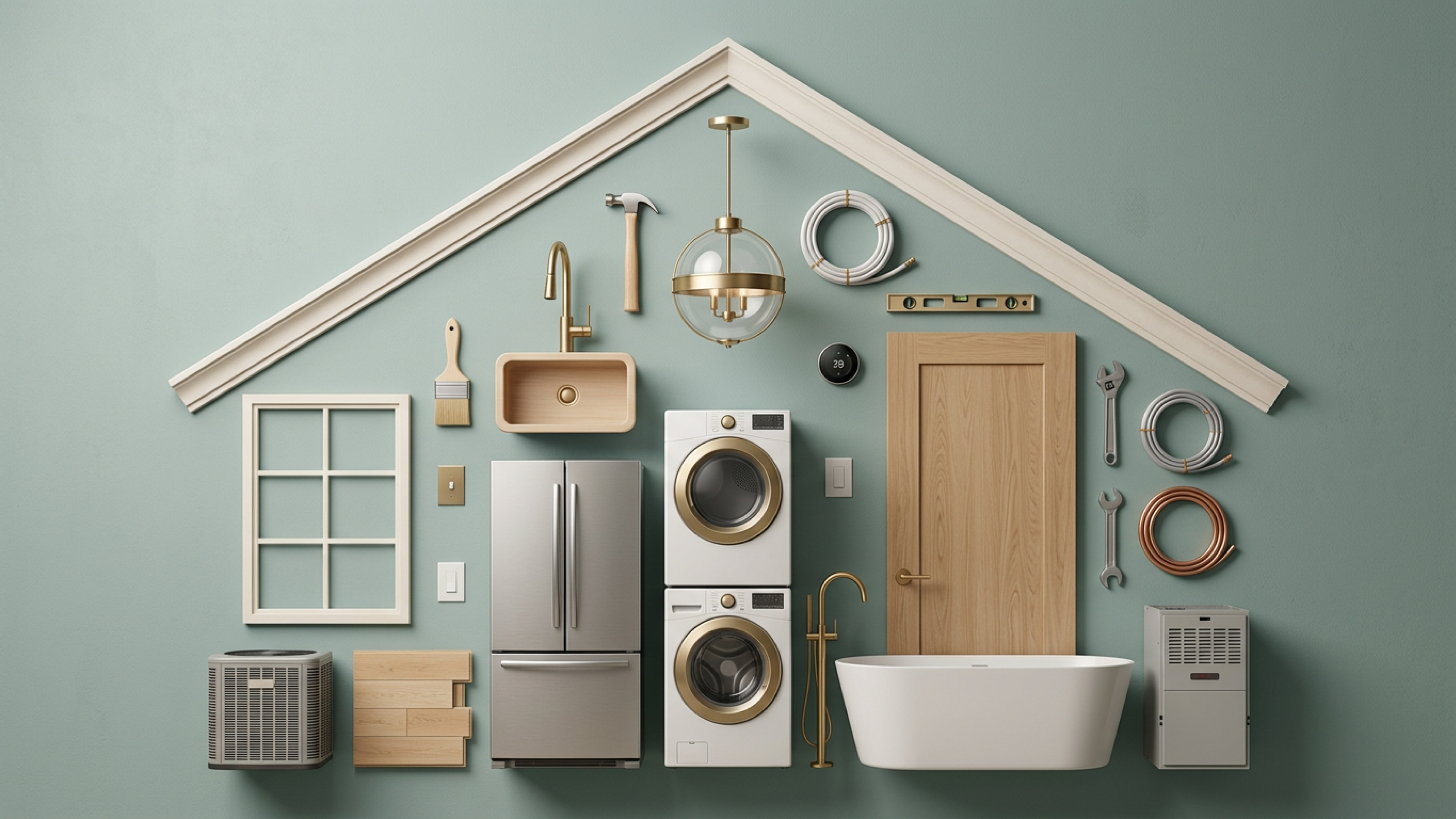
Home services offers a particularly clear example. As the most accessible sources of demand become saturated, brands must reach homeowners with different needs, motivations, and spending behaviors. And as the economy remains at the forefront of many consumers’ minds, three groups have emerged: Those continuing to spend confidently, those becoming more selective, and those concentrating their spending on necessities. These consumers represent three distinct mindsets, and three different paths to growth.
The Audience Shift Is Showing Up in the Funnel
Referrals and organic channels have traditionally delivered some of the strongest economics in home services. These customers often arrive with greater awareness, trust, and intent, making them more likely to convert at a lower acquisition cost.
But these channels can’t scale indefinitely. One contributing factor is the slowing pipeline of homeowners ready to consider remodeling. With consumer confidence down, annual spending on home improvement is expected to remain flat through 2027. This means brands have fewer opportunities to replenish this high-converting audience.
To keep growing, brands need to think more broadly. That may mean pursuing selective, higher-spending consumers who expect stronger proof of value and attract intense competition. Or it may mean reaching more price-conscious consumers whose greatest barrier is not necessarily awareness, but the decision to start a new home project at all. Each path comes with a new cost structure and a meaningfully lower conversion rate, simply because the brand is reaching people with less familiarity, lower intent, or different motivations.
That shift often becomes visible first in paid media. When paid channels become more expensive or less efficient, the first instinct is to blame the platform, targeting, or creative. Those factors certainly all matter, but a change in performance is also likely exposing a broader audience challenge. And once brands recognize they are solving an audience problem, not simply a channel one, the growth strategy changes. Rather than simply pushing more spend through the same funnel, brands should:
- Make sure to capture as much of their core existing customer base as possible. This means investments in their website, call center, and sales team to maximize yield.
- When expanding into new audiences, create personalized experiences for each audience to counteract the inherent loss of conversion rate, due to lower brand awareness. This means new creative hitting their new RTBs and changing call center sales language to match their unique buying habits. Test multiple approaches and audience segments to identify what type works with each audience.
- Prepare sales teams and leadership for inherently different business economics, including potentially higher customer acquisition costs in media and shifts in closing rates for the sales team.
What’s Next
In home services, the real measure of opportunity is how much demand remains available through the efficient, high-converting path, and what is required to profitably reach the rest.
The brands that answer that question clearly, and build their strategy around the audience shift rather than fighting it, are the ones that will keep finding growth while everyone else keeps chasing the performance of a funnel built for an audience they have already saturated.